
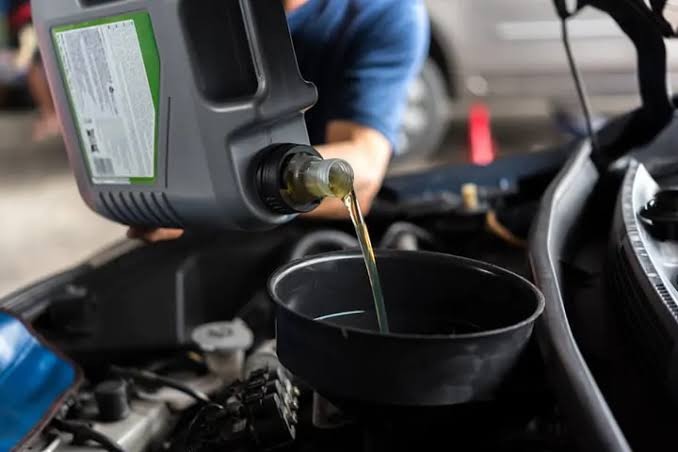
High-mileage vehicles often remain dependable for many years, but they usually need more regular attention to keep performing well through changing seasons, stop-and-go traffic, and long commutes. One of the most important parts of that routine is staying current with oil changes. As engines age, internal parts experience more wear, seals may not hold as tightly as they once did, and oil can break down faster under daily driving demands. Clean oil helps reduce friction, carry away heat, and keep harmful deposits from settling inside the engine. For drivers who want to avoid larger repair bills, a consistent service schedule becomes a smart and practical part of ownership.
What This Covers
- Why Older Engines Need Cleaner Protection
As a vehicle gains mileage, the engine no longer operates with the same tight tolerances it had when it first left the factory. Small changes happen gradually over time, including increased friction between moving components, more carbon buildup, and a greater chance that sludge can begin forming if oil is left in place too long. This is one reason an Oil Change in Lynchburg becomes more important for drivers who rely on older cars for everyday travel. Fresh oil provides lubrication that helps engine parts move more smoothly, which reduces unnecessary wear and allows the engine to run with less strain. It also supports temperature control by helping carry heat away from internal components that would otherwise run hotter under pressure. In high-mileage vehicles, even a small delay in routine maintenance can cause the oil to lose effectiveness more quickly than expected. Staying consistent with oil service gives aging engines a better chance to continue working reliably, especially when they are still being used for commuting, errands, school pickups, or highway driving throughout the week.
How Consistent Service Supports Daily Reliability
Drivers of high-mileage vehicles often care less about appearance and more about whether the car starts easily, idles smoothly, and handles the day without surprises. Regular oil changes play a large role in that kind of reliability because old oil can become contaminated with dirt, fuel residue, and tiny metal particles that build up as the engine continues to age. When that happens, the oil becomes less effective at protecting the surfaces it is supposed to cushion. A vehicle may begin running rougher, sounding louder, or feeling less responsive during acceleration. Those changes may seem small at first, but they can point to added stress inside the engine. Consistent maintenance helps reduce that strain before it turns into a larger mechanical issue. Many drivers also pair this routine with broader inspections because Auto Repair in Lynchburg often becomes easier to manage when small warning signs are noticed early instead of after performance begins to drop. That kind of attention supports confidence for people who depend on their vehicles every day.
Why Lynchburg Driving Conditions Matter More Over Time
Local driving habits and environmental conditions can place extra demands on older engines, especially when a vehicle is already carrying significant mileage. In and around Lynchburg, drivers may deal with short trips, frequent stops, warm weather, cold starts, hills, and seasonal temperature changes that affect how quickly oil breaks down. Short drives can be particularly hard on high-mileage engines because the oil may not remain at ideal operating temperature long enough to burn off moisture and contaminants. Over time, that can lead to thicker deposits and reduced lubrication quality. Older vehicles also tend to react more noticeably to weather shifts, making clean oil even more useful as a buffer against changing conditions. If a car is used for commuting across town, running errands all day, or traveling on highways outside the city, the engine may go through repeated stress cycles that demand more dependable lubrication. That is why a regular oil change schedule becomes more than routine maintenance. It becomes a way to help older vehicles adapt to real local driving demands without placing unnecessary pressure on already worn engine components.
The Connection Between Oil Condition and Engine Wear
One of the biggest reasons consistent oil service matters in high-mileage vehicles is that worn engines are less forgiving when lubrication quality drops. Fresh oil creates a protective film between moving metal parts, helping reduce direct contact that can otherwise increase wear. As oil ages, that film becomes weaker, and the ability to resist heat and friction starts to decline. In a newer engine, there may still be enough margin to tolerate some delay, but a high-mileage engine usually does not have that same cushion. Older seals may allow slight leaks, piston rings may not perform as tightly, and internal surfaces may already show years of use. Dirty or degraded oil can make those conditions more difficult to manage, especially during acceleration, heavy traffic, or hot weather. Drivers may notice ticking sounds, rougher starts, or a general feeling that the engine is working harder than usual. Keeping the oil fresh does not erase normal aging, but it does help slow the process by giving internal parts cleaner, more effective protection. That makes a simple service visit one of the more valuable ways to help extend the useful life of an older vehicle.
How Oil Changes Help Drivers Avoid Larger Costs
For many people with high-mileage vehicles, the goal is not simply keeping the car on the road for another week. It is avoiding the kind of damage that leads to expensive repair decisions. When oil is not changed on time, buildup inside the engine can become harder to remove, and poor lubrication can contribute to faster wear on parts that are costly to replace. An engine that runs with dirty oil may overheat more easily, consume more oil between services, or develop performance problems that affect fuel use and drivability. Those issues can add up gradually, which is why they are often overlooked until the vehicle starts running poorly or warning lights appear. Regular oil changes help break that pattern by removing used oil before it loses too much of its protective value. That simple step can support smoother operation and may reduce the chance of facing severe internal engine damage later. For drivers trying to make a high-mileage car last through another year or more, staying ahead of oil service is one of the more practical ways to protect both the vehicle and the household budget from avoidable strain.
Consistent Care Builds Confidence in Aging Vehicles
A high-mileage vehicle can still be dependable, comfortable, and useful when it receives steady care that matches its age and driving demands. Oil changes are one of the most important parts of that effort because they directly affect lubrication, temperature control, cleanliness inside the engine, and the overall pace of wear. When drivers stay consistent, they give older engines a better chance to operate smoothly through everyday use and seasonal changes. That kind of attention also supports early awareness of developing issues before they grow into larger concerns. For anyone relying on an older car for work, family responsibilities, or regular travel, keeping up with oil service remains a simple but meaningful habit that helps preserve performance over time and reduce unnecessary mechanical stress.