
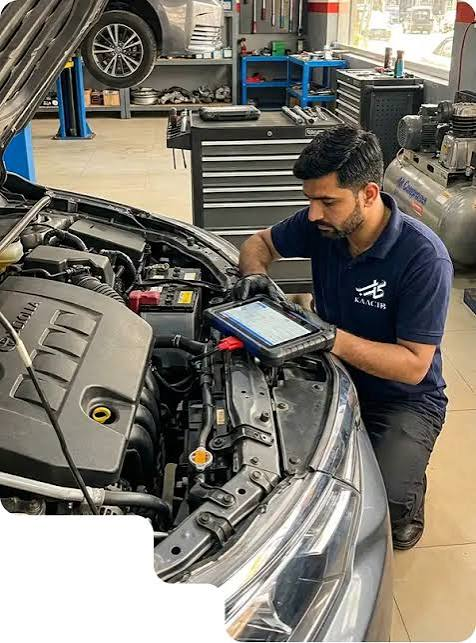
Long highway driving can make a vehicle seem effortless while quietly adding wear in places many drivers do not think about until performance begins to change. A car may handle the trip without warning lights, strange sounds, or an obvious problem, yet hours of speed, heat, braking, wind resistance, and steady engine load can still affect how it feels afterward. Drivers often notice the difference later in reduced smoothness, weaker braking feel, tire vibration, or a general sense that the vehicle no longer responds as it did before the trip. A mechanic near me helps improve performance by identifying those changes early and restoring the parts most affected by extended highway use.
What Long Trips Can Change
- Why Highway Driving Creates Hidden Stress
A long highway trip may feel easier on a vehicle than stop-and-go city driving, but it places steady pressure on important systems. Tires remain under prolonged heat, fluids stay at operating temperature for extended periods, brakes may be used hard at exits and traffic slowdowns, and the suspension absorbs miles of pavement imperfections at higher speeds. These conditions can reveal weaknesses that short local trips never seem to expose. A driver may come home with no immediate breakdown, yet still notice that the steering feels less steady, the ride feels rougher, or the engine sounds more strained than usual. Some people searching online after a road trip may even come across resources such as “Mechanic near me” while trying to understand why their vehicle feels different after hours on the highway. That change matters because long-distance performance issues often begin subtly, and a mechanic near me helps connect those subtle signs to the wear caused by extended highway travel before they become bigger problems.
- Why Tires and Alignment Often Tell the Story First
One of the first areas to show the effects of long highway driving is the connection among the tires, wheels, and alignment. Highway speeds amplify even small imbalances, which means a tire that was slightly underinflated, unevenly worn, or marginally out of balance before the trip may feel much more noticeable afterward. The same is true of alignment. A vehicle can seem mostly normal around town while still pulling slightly or wearing unevenly on the tires during sustained highway travel. After a long drive, the driver may notice vibration through the steering wheel, wandering at speed, or a rougher feel over pavement that once seemed smooth. A mechanic near me helps improve vehicle performance by checking these signs before they lead to faster tire wear, reduced control, or a more tiring driving experience. This matters because tires do more than keep the car moving. They influence braking, fuel use, steering response, and how planted the whole vehicle feels at highway speed. Once those parts are inspected and corrected, the car often feels far more settled and confident again.
- How Fluids and Heat Affect Performance After Distance Driving
Long stretches of highway driving keep the engine, transmission, and cooling system working under sustained heat for much longer than many everyday trips do. Even when everything appears normal from the driver’s seat, that long operating time can reveal fluid-related weaknesses that affect the vehicle’s performance afterward. Engine oil may be losing its protective properties, transmission fluid may be carrying more heat than it should, and coolant may be showing early signs of a leak, contamination, or reduced efficiency. A mechanic near me helps restore performance by evaluating whether the vehicle is still maintaining proper temperature and lubrication after extended driving. This is especially important when a driver notices that the engine sounds harsher, shifting feels less smooth, or the vehicle seems slower to settle after highway use. Heat does not always cause immediate failure, but it often speeds up the wear that makes a vehicle feel less refined over time. Catching fluid and cooling concerns early can make the difference between a routine service visit and a much larger repair later.
- Brake Feel Can Change After Extended Highway Use
Many drivers think of highway travel as easier on brakes because there are fewer stops, but long-distance driving can still affect braking performance in ways that matter afterward. Exits, downhill sections, traffic slowdowns, road construction, and fast-moving traffic all create moments when the brakes are applied at higher speeds and under greater heat. If pads were already worn, rotors were beginning to wear unevenly, or brake fluid was no longer performing consistently, those miles can make the system feel noticeably different once the trip is over. A driver may notice slight vibration, softer pedal response, or a delayed sense of stopping confidence that was not obvious before the trip. A mechanic near me helps ensure better performance by checking whether the brakes are still responding evenly and whether highway miles have exposed wear that needs attention now rather than later. This matters because brake feel is not only about safety in emergencies. It affects daily confidence, especially when returning to local driving, school traffic, errands, and changing road conditions where steady braking response matters all the time.
- Suspension and Steering Wear Often Show Up After the Trip Ends
Suspension and steering parts do much of their work quietly, which is why drivers often forget about them until something starts feeling different. Long highway driving can make that difference easier to notice. Hours of steady speed can highlight small weaknesses in struts, shocks, tie rods, bushings, and wheel bearings that shorter drives might never reveal clearly. A car may begin to feel looser in crosswinds, less stable in curves, or rougher over uneven pavement after a long trip. Some drivers also notice that the vehicle feels fine on smooth roads but less composed once they return to normal daily driving. A mechanic near me helps by identifying whether those changes come from worn suspension parts, steering looseness, or a combination of highway stress and existing wear that has now become impossible to ignore. This kind of diagnosis matters because a vehicle does not need to break down to lose performance. Small changes in steering precision and ride control can make every drive feel more tiring and less secure. Repairing those issues can restore the balanced handling that makes a vehicle more enjoyable and predictable to drive.
- A Mechanic Helps Drivers Protect Reliability Before the Next Trip
After a long highway drive, many vehicle problems are still at the stage where they can be managed without major disruption. That is why local repair support matters so much. A mechanic near me does more than respond to obvious breakdowns. The role also includes helping drivers understand whether the trip revealed tire wear, brake stress, fluid decline, alignment drift, or suspension weakness that should be corrected before normal commuting or the next long drive adds even more strain. This creates a smarter approach to reliability because the driver is not waiting for the vehicle to fail on a future trip. Instead, performance is restored while the warning signs are still small. That might mean a tire correction, fluid service, alignment adjustment, brake work, or a closer look at the cooling system before another stretch of highway miles turns a manageable issue into something more disruptive. With that kind of attention, the vehicle remains easier to trust not only for long-distance travel, but also for everyday use once the trip is over.
Bringing Back the Smoothness After the Miles
Long highway driving can leave a vehicle feeling slightly different, even when no major problem announces itself right away. Tires, brakes, fluids, alignment, steering, and suspension all absorb the effect of extended speed and sustained heat in ways that may only become noticeable afterward. A mechanic near me improves vehicle performance by identifying subtle changes, correcting wear that highway miles can uncover, and helping drivers restore the smoother, steadier feel they rely on every day. That attention can protect comfort, handling, and reliability before a small post-trip issue grows into a larger repair that affects the next drive even more.