
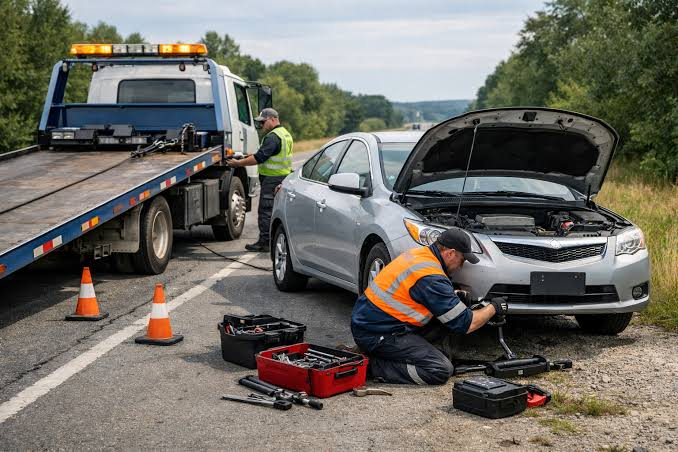
Unexpected breakdowns rarely feel convenient because they interrupt the part of life people depend on most: the routine. A vehicle that stalls on the way to work, struggles during school pickup, or refuses to start before an appointment creates more than a repair bill. It creates lost time, added stress, and uncertainty about whether the car can be trusted tomorrow. That is why regular vehicle maintenance matters so much. It helps drivers catch wear, fluid loss, weak batteries, tire issues, and performance changes before they turn an ordinary trip into a roadside problem that disrupts the entire day without warning.
Why prevention matters
- Small service needs often appear before major failures do
One of the biggest reasons regular vehicle maintenance helps prevent unexpected breakdowns is that most mechanical problems begin with smaller warning signs long before the car fully stops working. A belt may begin to wear, fluid levels may start to drop, tires may lose tread unevenly, or the battery may weaken gradually instead of failing all at once. These changes often seem minor when the vehicle still starts and drives, which is why many drivers delay service until the issue becomes impossible to ignore. Maintenance helps interrupt that pattern early. For owners looking for Expert Services for Every Vehicle, the greater benefit often lies in more than just fixing visible problems. It is spotting the smaller ones while they are still contained. That matters because a car rarely becomes unreliable in one single moment. It usually drifts toward unreliability through issues that could have been identified sooner if the vehicle had been checked before those early signs had time to grow into something much more disruptive.
- Routine inspections help drivers catch wear in high-stress systems.
A vehicle depends on several systems working together every day, and some of those systems carry more constant stress than drivers realize. Brakes handle repeated pressure in traffic. Tires absorb road conditions mile after mile. Fluids protect the engine, transmission, and cooling system from heat and friction. Hoses, filters, and belts may seem small compared with major parts, yet their condition can affect whether the whole vehicle continues to operate smoothly. Regular maintenance helps because it gives these high-stress areas attention before damage spreads. Instead of waiting for a brake problem to change stopping distance or for overheating to announce itself on the roadside, a routine service visit creates an opportunity to notice wear. At the same time, the car is still usable, and the repair remains manageable. That matters during daily travel because people often rely on their vehicles for repeated short trips, leaving little room for breakdowns. A car that is checked regularly is less likely to surprise the driver at the worst moment simply because the parts under the most stress were not left unattended for too long.
- Fluid and filter service helps systems continue to operate under normal strain.
Many breakdowns begin when a vehicle loses the internal protection it needs to handle ordinary use. Old or low oil cannot support the engine the way it should. Neglected coolant can leave the vehicle more vulnerable to overheating. Transmission fluid, brake fluid, and power steering fluid each play a role in keeping the vehicle responsive and dependable under everyday conditions. Filters matter, too, because airflow and fuel delivery can decline when they are left unchanged for too long. Regular maintenance helps prevent these issues from quietly building into larger failures. This is important because fluid-related problems often worsen gradually while the car still feels mostly normal. A driver may not notice anything dramatic until performance drops or heat and friction have already placed extra strain on major components. By servicing these routine items on time, the vehicle maintains the stability it needs for commuting, errands, school runs, and other everyday travel. In practical terms, that means fewer surprises caused by systems that were slowly losing protection while the driver believed everything was still operating normally.
- Battery, charging, and starting checks reduce common daily travel interruptions
One of the most frustrating kinds of breakdown is the one that happens before the drive even begins. The driver gets in, turns the key or presses the button, and suddenly the vehicle hesitates, responds weakly, or does nothing at all. Problems involving the battery, charging system, and starter often create exactly that kind of interruption. Regular maintenance helps reduce the likelihood of these moments by checking how well the vehicle’s electrical system supports everyday reliability. This matters because modern driving depends on more than just the engine. The vehicle needs stable electrical performance to start, communicate with onboard systems, and support ordinary operation in all kinds of weather. A weak battery or charging issue may give small warnings first, but many drivers miss them because the car still starts most of the time until one day it does not. Routine service helps identify those warning signs earlier. That makes daily travel easier to trust because the vehicle is less likely to fail during a rushed morning, late evening, or busy schedule, simply because an aging starting component was left to deteriorate without attention.
- Tire and brake maintenance protects more than mobility.
Breakdowns are not always about the engine refusing to run. Sometimes the bigger risk comes from systems that still operate, but no longer do so safely or smoothly enough for regular travel. Tires and brakes are two of the clearest examples. A worn tire may hold air yet offer poor traction, unstable handling, or a higher chance of failure during daily driving. Brake pads may still stop the car, yet longer stopping distances, vibration, or uneven wear can gradually make the vehicle less dependable in traffic. Regular maintenance helps drivers stay ahead of these issues before they become more serious and more expensive. That matters because tires and brakes affect the vehicle every time it moves, slows, turns, or stops. If they are neglected, the driver may continue using the car while its safety and reliability keep slipping in the background. Maintenance keeps these systems closer to predictable performance. In everyday travel, that kind of predictability matters just as much as whether the engine starts, because a vehicle that moves but does not respond confidently can still create stress, delay, and risk throughout the normal routine.
- Consistent upkeep makes the whole vehicle easier to trust over time.
Another reason regular maintenance matters is that it creates a pattern of awareness about the vehicle rather than allowing problems to build in silence. Drivers who keep up with service are more likely to notice when something changes because they already have a sense of how the vehicle usually feels, sounds, and responds. A new vibration, smell, sound, or warning light becomes easier to take seriously rather than something to postpone indefinitely. That awareness helps prevent breakdowns by shortening the time between the first sign of trouble and the first useful response. This matters for long-term ownership because cars tend to become less predictable when maintenance is deferred until something fails. By contrast, consistent upkeep keeps more systems within a stable range and reduces the number of problems that arrive all at once. The result is not only fewer roadside emergencies. It is a vehicle that feels easier to trust through weather changes, longer commutes, school schedules, and the many small trips that make up daily life. Reliability is usually built through repeated attention, not through luck.
Reliable travel usually comes from routine care.
Regular vehicle maintenance helps prevent unexpected breakdowns during daily travel by catching wear before it leads to failure. Small problems with fluids, belts, batteries, tires, brakes, and filters often show early signs, but only if the vehicle is checked often enough to notice them. When drivers stay ahead of these service needs, they reduce the chance that an ordinary commute or errand will be interrupted by a problem that has been building quietly for weeks or months. In most cases, dependable travel is not the result of guessing right. It comes from giving the vehicle steady attention before daily stress turns hidden wear into a breakdown.


