
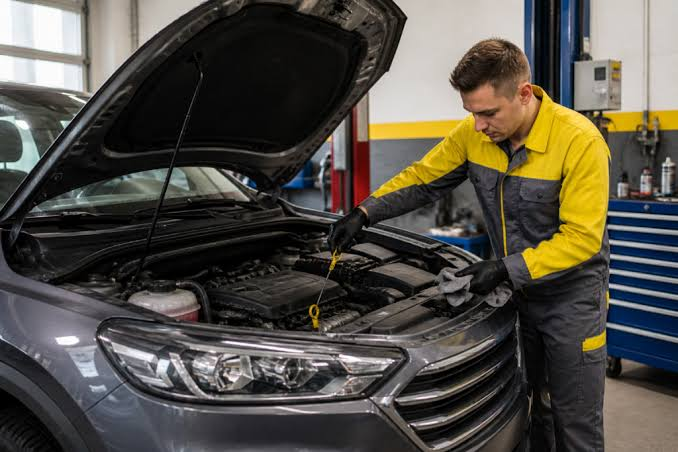
A high-mileage vehicle often carries more than wear on its parts. It carries habits, seasons of use, long commutes, short trips, postponed repairs, and the owner’s decision to keep a familiar car on the road rather than replace it quickly. As mileage rises, reliability depends less on luck and more on how carefully the vehicle is monitored over time. Small issues that once seemed harmless can start affecting other systems more quickly. That is why a mechanic matters. For drivers trying to keep an aging vehicle dependable, steady service helps turn ordinary maintenance into a smarter plan for longer-lasting daily performance.
Why do older cars need a strategy
High Mileage Makes Small Problems More Likely to Spread
As a vehicle ages, the challenge is rarely one dramatic failure appearing out of nowhere. More often, reliability begins to change through small issues that quietly build in the background. A slight oil seep, a noisy pulley, a weak battery response on cold mornings, or a suspension part with extra play may not stop the car immediately, but these conditions create strain that can spread if ignored for too long. A mechanic in Biglerville helps improve reliability by noticing warning signs when they are still manageable. Instead of waiting for the car to force attention through a breakdown, the driver gets a clearer chance to address wear before it affects daily dependability. That matters because high-mileage vehicles often have several aging systems operating together. Once one weak point is left alone, nearby parts may start carrying more stress than they were meant to handle.
A Mechanic Helps Drivers Understand Which Repairs Matter First
One of the hardest parts of owning a high-mileage vehicle is deciding which issues deserve immediate attention and which can be monitored a little longer without creating additional risk. Older cars often present drivers with a constant stream of smaller concerns instead of one obvious emergency. A mechanic supports reliability by helping sort those concerns into a more practical order. Some owners searching for Auto Repair near me may be doing so because they want a clearer sense of what actually helps an older vehicle maintain dependability longer. That kind of thinking matters because a high-mileage car does not always require every issue to be handled at once. It needs informed priorities. A worn brake component, a cooling system concern, or a charging problem may have a much greater effect on reliability than a cosmetic annoyance or a minor noise that has not changed over time. When repairs are prioritized intelligently, owners are less likely to spend money in the wrong place while a more important issue continues to develop beneath the surface.
Preventive Service Becomes More Valuable as Components Age Together
A newer vehicle can sometimes absorb a little neglect without showing immediate consequences, but a high-mileage vehicle usually has much less margin for delay. Hoses, seals, bearings, belts, bushings, and electrical connections are aging simultaneously, even if they are not failing on the same day. That is why preventive service matters more as mileage climbs. A mechanic in Biglerville helps support better reliability by looking at how parts are aging together rather than reacting only to the part that happens to be making noise first. This broader view can reveal how one system is beginning to affect another. A cooling issue can influence engine performance. Weak charging can put more pressure on starting. Tire wear can reflect suspension or alignment trouble that will only become more expensive if left unchecked. Reliability at higher mileage is often protected through this kind of connected thinking. The vehicle may still drive every day, but the mechanic helps identify where that daily function is becoming more fragile than it appears from behind the steering wheel.
Familiarity With the Vehicle Improves Long-Term Dependability
High-mileage vehicles often benefit from consistent service because their stories unfold over time. A driver may mention that the engine sounds rough only on damp mornings, that the steering feels different on rough roads, or that the transmission shifts more slowly after longer trips. These details may not mean much in isolation, but they become more useful when someone pays attention to patterns rather than isolated complaints. A mechanic helps support reliability by treating the vehicle as something with history, not just a list of parts on a service sheet. That matters because many older vehicles do not fail in clean, obvious ways. They gradually drift from normal performance, and those changes are easier to catch when the service approach remains consistent. Over time, this can lead to better decisions about whether to repair, monitor, or plan for a known area of wear. A high-mileage car often remains dependable not because it never has issues, but because someone notices those issues early enough to keep them from piling together into one larger interruption.
Reliability Also Depends on Matching the Service to Real Driving Conditions
A vehicle with higher mileage is affected not only by its age, but by the kind of driving it still does every week. A car that handles short errands, stop-and-go traffic, rough rural roads, highway commuting, or seasonal temperature swings will wear differently depending on how it is used. A mechanic in Biglerville improves reliability by connecting service decisions to real driving conditions rather than treating every high-mileage vehicle the same way. That is important because the owner’s routine often explains why one system is aging faster than another. A commuter vehicle may need closer attention to tires, suspension, and charging. A short-trip vehicle may deal with battery weakness or moisture-related wear more often. A work truck or family vehicle may experience greater strain on its brakes, cooling system, or drivetrain than the mileage alone suggests. Reliability improves when maintenance is shaped by how the car actually lives now, not only by what it needed years ago. This practical view helps the owner get more usable life from the vehicle without expecting it to behave like a much newer one.
Better Reliability Comes From Steadier Attention
A mechanic in Biglerville supports better reliability for high-mileage vehicles by helping drivers address wear before it becomes an interruption. That support often means catching smaller problems earlier, prioritizing repairs more wisely, and viewing the vehicle as a system in which parts age together rather than separately. As mileage rises, dependable driving becomes less about chance and more about steady attention to the details that keep the car usable every day. With thoughtful service, an older vehicle can remain practical, predictable, and easier to trust. High mileage does not end reliability, but it does make careful maintenance matter much more.


