
No one wants to spend a lot of time trying to figure out what’s wrong with their engine once they realize that there might be something wrong with it. Luckily, mechanics in Madison have learned to diagnose engine problems much faster. In fact, a well-functioning engine is one of the most crucial components of any automobile, as it affects the vehicle’s overall operation. There are many different types of engine issues that can arise in an automobile. It is vital to understand the signs that indicate you need to consult a specialist, as well as how specialists generally approach the diagnostic process.
Diagnostic Tools and Technology Used by Auto Repair Shops
- Using Technology to Identify Engine Problems
The mechanics working in Madison usually have to use modern diagnostic devices to detect engine defects as soon as possible. The most frequently used diagnostic device is the On-Board Diagnostics (OBD-II) scanner. This device is directly connected to a car’s computer and produces error codes that indicate where the defect might be. Thus, the codes may indicate misfires, fuel system defects, and improperly functioning sensors. Moreover, specialized diagnostic software can detect faults and provide additional information about a car’s condition. With the right equipment, the mechanic can measure fuel pressure, exhaust temperature, and airflow. Auto repair in Madison, WI, relies on this technology to provide fast, accurate diagnoses, significantly reducing the time needed to identify the root cause of engine problems.
- Visual Inspections and Component Testing
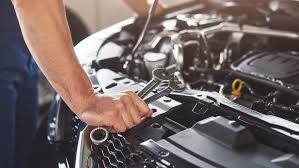
However, while technology is important for diagnosing engine problems, physical inspections should not be ignored. Mechanics will visually inspect the engine and its components for signs of damage, wear, or leaks. Some common engine malfunctions, such as a cracked hose, a worn belt, or a leaking gasket, can be easily identified by examining the vehicle. A visual inspection helps detect possible causes of engine failure. In addition to visual inspection, the mechanics need to test certain engine components to confirm their suspicions. Testing individual parts, such as the alternator, battery, or spark plugs, is usually done to determine whether they are in good condition or have malfunctioned. For instance, when there is a suspected problem with the fuel or ignition system, the fuel injectors and spark plug timing should be checked.
- Understanding Symptoms and Tracing the Issue
Knowing how to listen to the engine and read the symptoms is the greatest skill a mechanic can possess. There are many sounds engines make, and knowing what they mean can greatly aid a technician. For instance, a knocking sound may indicate malfunctioning engine valves or pistons, whereas a squeal may indicate a worn-out belt. The first thing a mechanic does when diagnosing an engine is to listen to the car. Hearing this, along with information from the OBD-II scanner and visual diagnostics, allows him to build a complete picture of the issue at hand. For instance, the problem of the car accelerating when it makes strange noises is related to issues with the intake or exhaust system. Sputtering in idle could indicate issues with the fuel system or spark plugs.
- Identifying and Fixing Common Engine Issues
After the problem has been located, the repair phase begins. Engine failures are usually linked to problems with the fuel, ignition, and exhaust systems. For example, if there are issues with the fuel filter or fuel pump, the fuel supply to the engine will be affected. This can cause the engine to perform poorly. However, ignition system problems, such as spark plug failure, can cause poor engine performance and make the engine harder to start. Similarly, there might be problems in the exhaust system, including a clogged catalytic converter. All these problems are easy to diagnose and fix by any auto repair shop. The mechanic only needs to run tests on the car to determine the problem. After diagnosis, the repair or replacement work can commence immediately. Because engine failures can be difficult to diagnose, mechanics use their experience and specialized equipment to complete the task as quickly and cost-effectively as possible.
- The Importance of Preventive Maintenance
Apart from the solutions to fix engine issues, there are preventive measures one should implement to ensure the engine functions well for many years. Oil changes, filter replacements, and fluid checks can all serve as preventive measures that help one avoid engine trouble. One will have to visit an auto repair shop regularly to keep the engine running smoothly. There are many benefits associated with preventive maintenance; one is the ability to identify smaller issues before they become major ones and fix them. Auto repair shops in Madison offer packages that include various kinds of preventive services.
Quick Diagnosis Equals Faster Repairs and Better Performance
To conclude, auto repair facilities in Madison rely on sophisticated technologies, physical examination, and expertise gained through years of practice to effectively diagnose engine malfunctions and return cars to service as quickly as possible. With the help of an OBD-II scan tool, visual inspection, and testing of various engine components, mechanics can pinpoint the malfunction relatively quickly. In addition, it is important to identify the symptoms of an engine malfunction and to conduct timely maintenance of your car to avoid future problems. An engine that is properly serviced not only works much more reliably but also delivers better performance metrics.


