The second-hand automobile market has changed a great deal in the past couple of years. Though the new technology in cars is fantastic, the simple value in the pre-owned industry takes the lead as the best option for clever buyers. Purchasing a second-hand car in 2026 is not only about saving money, but also about getting a car that has already passed its sharpest curve of depreciation and yet provides modern safety and connectivity.
This guide makes it easy, and with it you can reset the current trends and technical checks so that you can drive away with confidence.
Why Pre-Owned Cars are in High Demand in 2026
Reliability is at an all-time peak, so a five-year-old vehicle today can perform as well as a new car would ten years ago. As supply chains have stabilized, there is a rise in inventory with high-quality lease returns, providing buyers with more choices than ever.
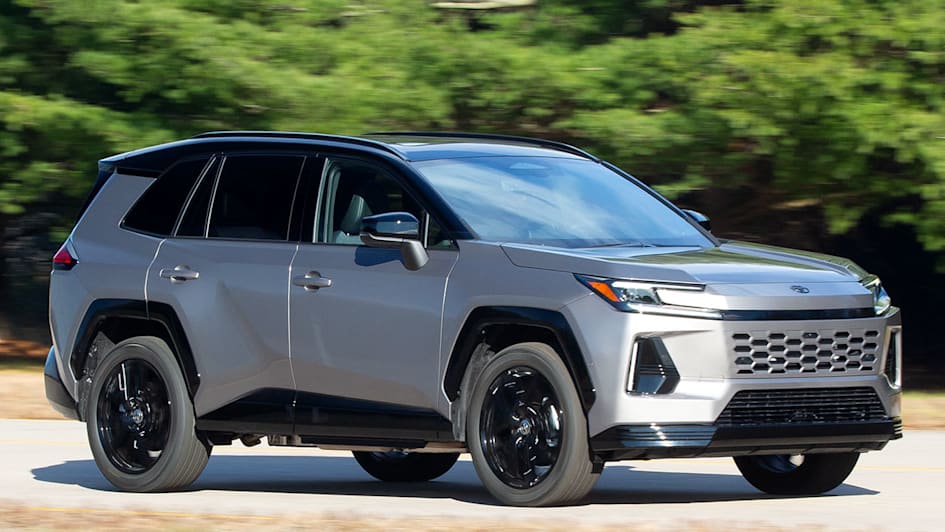
A lot of customers are particularly demanding regarding regional dependability and extended stamina. Similarly, individuals seeking a used toyota houston tx tend to give weight to models that are reputed to withstand hot weather and long distances. This is needed due to the fact that modern engines and hybrid batteries are currently designed to run over 150,000 miles with simple maintenance.
Understanding Your Options: Certified vs. Non-Certified
Used cars are not created equal. Knowledge of the difference between the two groups will help you strike a balance between your budget and your need for a safety net.
● Certified Pre-Owned (CPO): These are inspected by factory-trained techs and come with an extensive warranty from the manufacturers. These are higher priced but will provide maximum peace of mind.
● Non-Certified: These are ordinary used cars. You are taking a bigger risk, but there is a significantly lower price of entry. These are best if you have a reliable mechanic to conduct an independent check.
● Low-Mileage “Gems”: Normally, referred to as cars that cover less than 10,000 miles annually. These provide a new car feel at a non-new car price.
Pricing Trends and Depreciation in 2026
The instant depreciation of new vehicles is approximately 20 percent of the value immediately after sale. You allow the original owner to bear that financial blow by purchasing a 2 to 3-year-old car.
Prices have evened across the board, though hybrids and electric vehicles (EVs) are faring better than conventional gas cars. When you expect to retain the car over a period of 5 years or more, you want a car model with a high resale value, as you will be rewarded with high returns on your sales.
The Essential Pre-Purchase Inspection Checklist
Before you sign any paperwork, you should make sure that you have examined the physical condition of the vehicle. Do not simply look at the glittering images in an advertisement online.
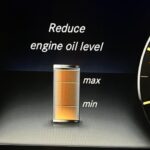
● Fluid Check: Open the hood and check. Oil should be brown (amber) and not black and milky.
● Tire wear: Lopsided wear indicates alignment or suspension issues.
● Electronics: Check all the buttons. Test the infotainment screen, window motors, and AC.
● The Test Drive: Check for rattling or squeaking. Pulsation in the brake pedal indicates deformed rotors.
● Service Records: A car with an oil change history is valued 10 percent higher than one without a history.
Financing Basics for Today’s Buyers
Interest rates in 2026 have settled, but your credit score still dictates your monthly payment. Always get “pre-approved” by a credit union or bank before stepping onto a lot.
Dealership financing is convenient, but they often add a “markup” to the interest rate. By having a pre-approval in your pocket, you can force the dealer to beat that rate, potentially saving you thousands over the life of the loan.
Where to Buy: Choosing the Right Platform
● Dealerships: Best for CPO vehicles and trade-ins. They handle the DMV paperwork for you.
● Online Platforms: Companies that deliver to your door offer great convenience and 7-day return policies.
● Private Sellers: You can find the best deals here, but there is zero protection if the car breaks down a week later.
Common Mistakes to Avoid
The most serious mistake buyers commit is to fall in love with a car without ensuring its history report. Never fail to do a VIN check to search for accidents or flood damage.
Also, a professional inspection must not be avoided. It is possible to save $3,000 on a repair by paying a mechanic now. Lastly, do not overlook the total cost of ownership, which involves insurance and fuel.
Steps to a Better Deal
There is no race in finding the right vehicle. It takes patience and confirming whether you want an adventurous truck or a good used toyota houston tx. With a rigid inspection schedule and getting your financing in place, you are in the driver’s seat of the negotiation. A properly studied purchase now means a sure ride in many years to come.
FAQ: Common Questions
How many miles are excessive for a used car?
By 2026, several vehicles will have no problem going past 200,000 miles. Find a car that has fewer than 100,000 miles to cover in case you need at least five years of hassle-free driving.
Is it worth purchasing a longer warranty?
When purchasing a non-certified car with sophisticated electronics, a third-party warranty may be an excellent back-up, although you have to ensure that you read the small print on what it covers.
Which is superior: purchasing a hybrid versus a gas car?
In case you drive within the city most of the time, a hybrid will save you a lot of fuel expenses. A contemporary, more fuel-efficient gas engine can be relatively cheaper when it comes to long highway hauls.